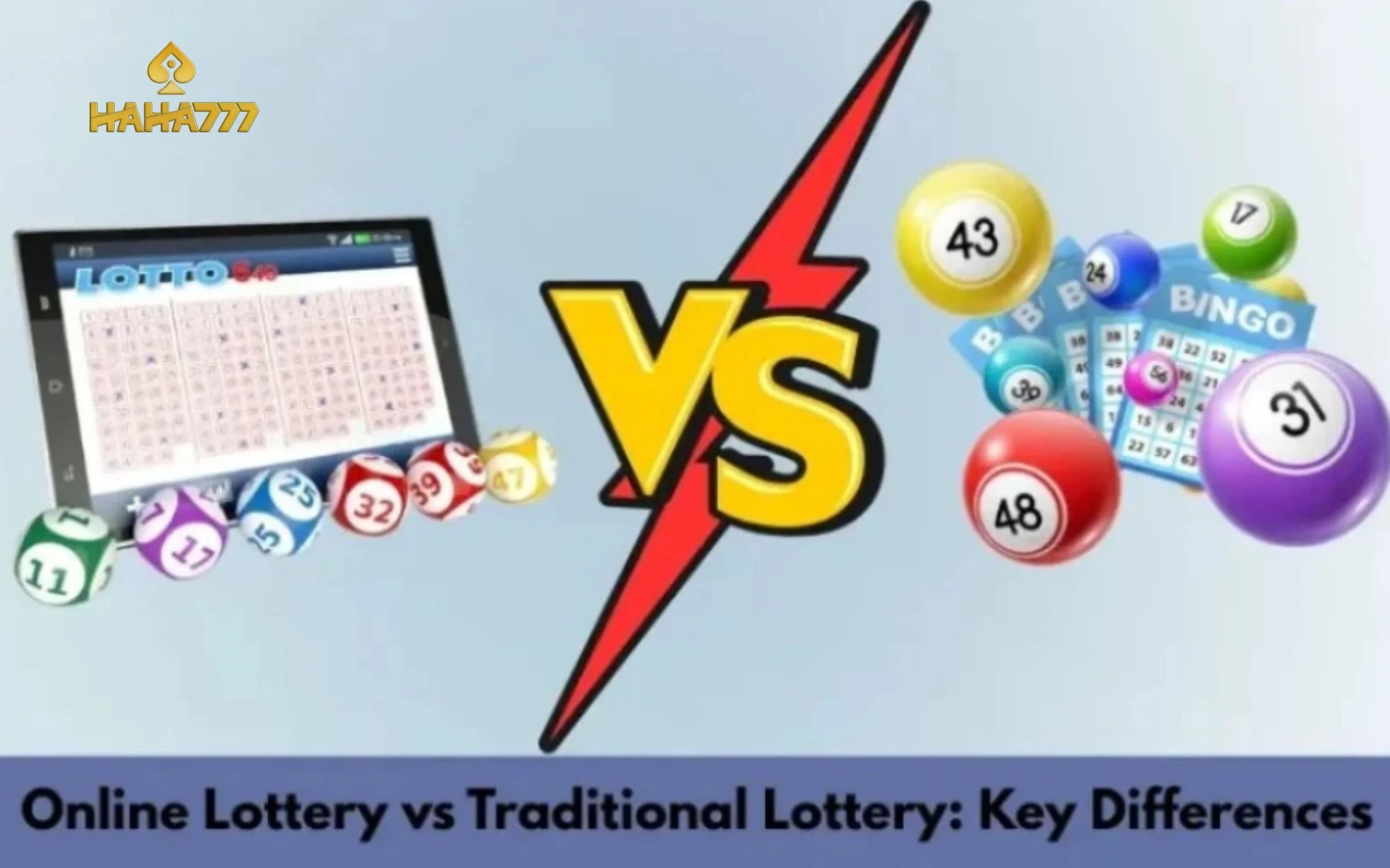
As the gambling industry continues to change, lotteries have evolved, sparking ongoing debates over online versus traditional lotteries. Advances in technology have reshaped how players participate, purchase tickets, and even claim winnings. Today, players have the option to enjoy the traditional in-person lottery experience or take advantage of innovative online platforms. In this article, we’ll break down the key distinctions and examine the advantages and drawbacks of both lottery formats. By the end, you’ll have a better idea of which option suits your preferences, especially if you’re considering using online platforms such as Haha777.
Online lotteries offer convenience, accessibility, and often better odds compared to traditional lotteries, which are more familiar but may have limitations in terms of accessibility and prize distribution.
Definition of Online Lottery and Traditional Lottery
To understand the differences, we first need to define each type. Traditional lotteries, often conducted by state governments or authorized organizations, involve purchasing physical tickets from retailers. Players select numbers or opt for random selections, hoping to win cash prizes or other rewards through a drawing.
On the other hand, online lotteries allow players to participate in daily or weekly lottery games online. Players can buy tickets, choose numbers, and even check results from the comfort of their homes. Platforms like Haha777 have made it easier than ever to engage with online lotteries, offering a seamless experience that traditional methods cannot match.
Advantages of Online Lottery
When comparing the online vs traditional, several advantages of online lotteries stand out:
- Convenience: Players can participate anytime, anywhere, without needing to visit a retailer.
- Wider Selection: Online platforms often provide access to a variety of online lottery games from different regions and countries.
- Better Odds: Many online lotteries offer better odds compared to traditional lotteries, increasing the chances of winning.
- Instant Notifications: Players receive immediate updates on results and winnings, eliminating the need to check results manually.
- Secure Transactions: Reputable online lottery sites use encryption technology to protect players’ financial information.
Moreover, platforms like Haha777 often introduce unique features such as syndicate play, where players can join together to increase their chances of winning while sharing the cost of tickets.
Disadvantages of Traditional Lottery
While traditional lotteries have their charm, they also come with notable disadvantages:
- Limited Accessibility: Players must physically go to a retailer to purchase tickets, which can be inconvenient.
- Higher Costs: Traditional lotteries may have higher operating costs, leading to lower payouts to players.
- Restricted Hours: Retailers have fixed hours, limiting when players can buy tickets.
- Less Variety: Traditional lotteries typically offer fewer game options compared to online platforms.
These limitations can hinder the overall lottery experience, making online options more appealing for many players.
Online Lottery Comparison with Traditional Lottery
| Feature | Online Lottery | Traditional Lottery |
| Accessibility | Available 24/7 from anywhere | Limited to retail hours and locations |
| Game Variety | Wide range of games available | Limited to local offerings |
| Ticket Purchase | Online transactions | Physical ticket purchase |
| Odds of Winning | Often better odds | Generally lower odds |
| Notification of Results | Instant notifications via email or app | Manual checking of results |
This comparison highlights how online lotteries offer a more streamlined, user-friendly experience, making them an attractive option for many players.
Practical Application
If you’re considering transitioning from traditional to online lottery, here’s a step-by-step guide:
- Research Platforms: Look for reputable online lottery platforms, such as Haha777, that offer a variety of games.
- Create an Account: Sign up and verify your identity to comply with legal requirements.
- Understand Game Rules: Familiarize yourself with the rules of the games you wish to play.
- Set a Budget: Determine how much you’re willing to spend on lottery tickets.
- Start Playing: Purchase tickets and enjoy the convenience of playing from anywhere.
Common mistakes to avoid include failing to read the platform’s terms and conditions, neglecting to set a budget, and not understanding the odds of the games.
Closing
In closing, the debate between online and traditional lotteries reveals significant differences that can impact your gaming experience. Online lotteries provide unparalleled convenience, better odds, and a wider selection of games, making them an appealing choice for modern players. Traditional lotteries, while nostalgic, face challenges in accessibility and variety. If you want to step into the thrilling world of online lotteries, platforms such as Haha777 provide an excellent place to begin. Become part of the digital lottery experience and start your journey today!
Frequently Asked Questions
What is the main difference between online and traditional lotteries?
The main difference lies in accessibility; online lotteries can be played anytime, anywhere, while traditional lotteries require physical ticket purchases from retailers.
Are online lotteries safe to play?
Trusted online lottery platforms implement advanced encryption systems to safeguard your financial data and maintain a secure and fair gaming environment.
Can I win real money playing online lotteries?
Absolutely! Online lotteries offer real cash prizes, similar to traditional lotteries.
How do I choose a reliable online lottery platform?
When choosing an online lottery platform, prioritize those with strong user feedback, valid licensing, and a wide selection of games, like Haha777.
What are the odds of winning in online lotteries?
Winning probabilities depend on the specific game, but online lotteries often feature more favorable odds than traditional ones because of reduced operating expenses.